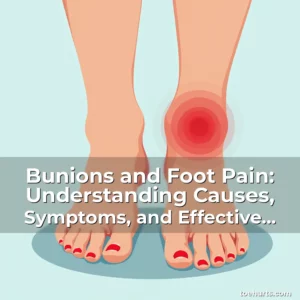
Understanding Bunions and Foot Pain: Causes, Symptoms, and Effective Solutions
Bunions are more than just unsightly lumps—they’re painful foot deformities that disrupt daily life. Whether you’ve noticed a bump on your big toe or struggle with chronic foot pain, understanding this condition is essential for finding relief.
This guide explores everything you need to know about bunions, from their origins to treatment options. Learn how lifestyle changes, medical interventions, and prevention strategies can help manage or eliminate this frustrating issue once and for all.
What Are Bunions? A Closer Look at This Common Foot Condition
A bunion forms when the joint at the base of the big toe becomes swollen and protrudes outward. This occurs due to a misalignment between the bones in the front part of the foot. Over time, the metatarsophalangeal (MTP) joint shifts, causing the big toe to angle toward the other toes instead of pointing forward.
The result is a visible bump, often accompanied by inflammation, tenderness, and restricted movement. While bunions may seem minor initially, they can progressively worsen and interfere with mobility. They’re particularly prevalent among women and individuals who wear tight or ill-fitting shoes regularly.
- Genetics: A family history of bunions increases the risk, suggesting inherited structural weaknesses in the feet.
- Footwear: High-heeled or narrow-toed shoes compress the toes, forcing them into unnatural positions that encourage bunion formation.
- Arthritis: Conditions like rheumatoid arthritis can destabilize joints, contributing to bunion development over time.
Recognizing Bunion Symptoms: What You Should Know
If you suspect you have a bunion, familiarize yourself with its telltale signs. Redness, swelling, and soreness around the affected joint are primary indicators. Many people also experience a burning sensation or numbness due to nerve compression near the bunion site.
Pain intensifies during physical activity, especially after prolonged standing or walking. Wearing certain types of shoes—particularly those without adequate space for the toes—can exacerbate these symptoms. In advanced cases, the skin over the bunion may thicken, forming calluses or blisters.
Common Misconceptions About Bunion Symptoms
Some believe bunions only appear suddenly, but they typically develop gradually over years. Others think the pain will subside on its own, ignoring the progressive nature of the condition. These misunderstandings can delay effective treatment and worsen outcomes.
It’s crucial to differentiate between a harmless bump and a true bunion. For instance, a “bunionette” affects the pinky toe rather than the big toe, though similar principles apply regarding management and prevention.
The Link Between Bunions and Chronic Foot Pain
Bunions don’t exist in isolation; they contribute to broader foot health problems. The misalignment of the MTP joint alters gait patterns, placing excessive stress on surrounding structures like the arches and ankles. This redistribution of force leads to secondary issues such as plantar fasciitis, heel spurs, or hammer toes.
Chronic foot pain stemming from bunions isn’t merely uncomfortable—it can limit participation in work, hobbies, and social activities. Left untreated, it may lead to compensatory movements that strain other parts of the body, potentially causing knee, hip, or back pain.
Diagnosing Bunions: When to See a Healthcare Professional
Self-diagnosis can be misleading since some foot abnormalities resemble bunions. Consulting a podiatrist ensures accurate identification and assessment. During an evaluation, the doctor examines the shape and alignment of your feet, checking for signs of inflammation, deformity, or nerve damage.
X-rays are commonly used to determine the severity of the bunion and assess bone structure. This imaging helps rule out alternative diagnoses and guides treatment decisions. Early detection allows for less invasive solutions, improving long-term prognosis.
Non-Surgical Treatments for Bunions and Foot Pain
Many people find relief through non-invasive methods before considering surgery. Custom orthotic inserts can redistribute pressure across the foot, reducing friction against the bunion. Padding devices placed behind the bump provide cushioning and protect sensitive areas from irritation.
Over-the-counter anti-inflammatory medications like ibuprofen alleviate pain and reduce swelling temporarily. However, relying solely on medication doesn’t address the underlying structural issue. It serves best as a complementary measure alongside other therapies.
Lifestyle Changes That Can Alleviate Bunion Discomfort
Modifying daily habits plays a significant role in managing bunions. Losing excess weight decreases pressure on the feet, slowing degenerative processes. Low-impact exercises such as swimming or cycling maintain fitness levels without aggravating the condition.
Choosing wide-toe box shoes made from breathable materials minimizes further deformation. Avoiding pointed or stiletto heels prevents additional strain on the forefoot area. Simple adjustments like these can make a noticeable difference in comfort and function.
Surgical Options for Severe Bunions: Pros and Cons
Surgery remains the most definitive solution for debilitating bunions resistant to conservative therapy. Procedures vary depending on factors like age, activity level, and bunion size. Common operations include bunionectomy, which removes the bony prominence, and realignment surgeries that correct skeletal misalignment permanently.
Risks associated with surgical intervention include infection, blood clots, and recurrence of the deformity post-recovery. Recovery periods span several weeks to months, requiring strict adherence to rehabilitation protocols. Patients must weigh benefits against possible complications carefully.
Preventing Bunions: Strategies for Long-Term Foot Health
While genetic predisposition cannot always be controlled, adopting preventative practices reduces likelihood significantly. Encouraging children to wear properly fitting shoes supports healthy foot development from an early age. Adults benefit similarly by prioritizing support and flexibility in their footwear selections.
Regular stretching routines targeting the Achilles tendon and calf muscles enhance ankle mobility, indirectly benefiting overall foot mechanics. Incorporating balance training improves proprioception—the ability to sense limb position—which aids in injury prevention.
Finding Support Within the Toehurts Community
Living with bunions can feel isolating, but numerous online communities offer solidarity and shared experiences. Forums dedicated specifically to foot pain allow members to exchange advice on coping mechanisms, product recommendations, and personal stories about treatment journeys.
Engaging actively within these spaces provides access to peer-reviewed resources vetted by fellow sufferers. Participating in group challenges focused on strengthening exercises fosters motivation and accountability beyond individual efforts alone.
When to Seek Immediate Medical Attention for Foot Pain
Although many instances of mild to moderate bunion-related discomfort respond well to home remedies, urgent attention is necessary under certain circumstances. If you notice sudden worsening of symptoms following an injury, seek prompt medical evaluation to prevent complications.
Severe pain unresponsive to typical analgesics warrants investigation for deeper tissue involvement or infection. Similarly, any change in coloration—such as blue discoloration indicating poor circulation—requires immediate clinical review.
Embracing Holistic Approaches to Bunion Management
In addition to conventional treatments, holistic modalities show promise in alleviating symptoms naturally. Acupuncture stimulates energy pathways believed to influence pain perception positively. Reflexology focuses on massaging specific zones corresponding to various organs—including those involved in musculoskeletal functions.
Dietary considerations shouldn’t be ignored either; foods rich in omega-3 fatty acids possess natural anti-inflammatory properties beneficial for soft tissues damaged by repetitive motion injuries. Staying hydrated maintains optimal fluid levels required for cellular repair processes throughout the body.
Educational Resources for Continued Learning About Foot Care
Knowledge empowers informed decision-making regarding your healthcare journey. Reputable organizations publish guidelines covering everything from anatomy lessons to latest research findings concerning conservative management techniques available today.
Books authored by certified professionals combine scientific evidence with practical applications useful for everyday living scenarios involving footwear selection, workplace ergonomics, and recreational activities safely executed without compromising foot integrity.
Conclusion
Bunions represent complex interplay between biological factors influencing musculoskeletal systems coupled with external influences shaping behavioral patterns impacting foot wellness over decades-long timelines.
Taking proactive steps now—from modifying shoe choices to exploring therapeutic alternatives—significantly enhances quality of life regardless of current stage reached along path towards resolution. Remember, seeking expert guidance whenever uncertainties arise remains vital component ensuring safe progress toward desired goals relating improved mobility and reduced suffering.

news is a contributor at Toe Hurts. We are committed to providing well-researched, accurate, and valuable content to our readers.